









The popular CZ 550-actioned rifle was discontinued in March 2020. A year later JOHAN VAN WYK wrote about testing a Safari Magnum, one of the last CZ 550 big-calibres bought up by CZ’s local agents, Formalito in Pretoria. Here is his story from the archives of SA JAGTER/HUNTER.

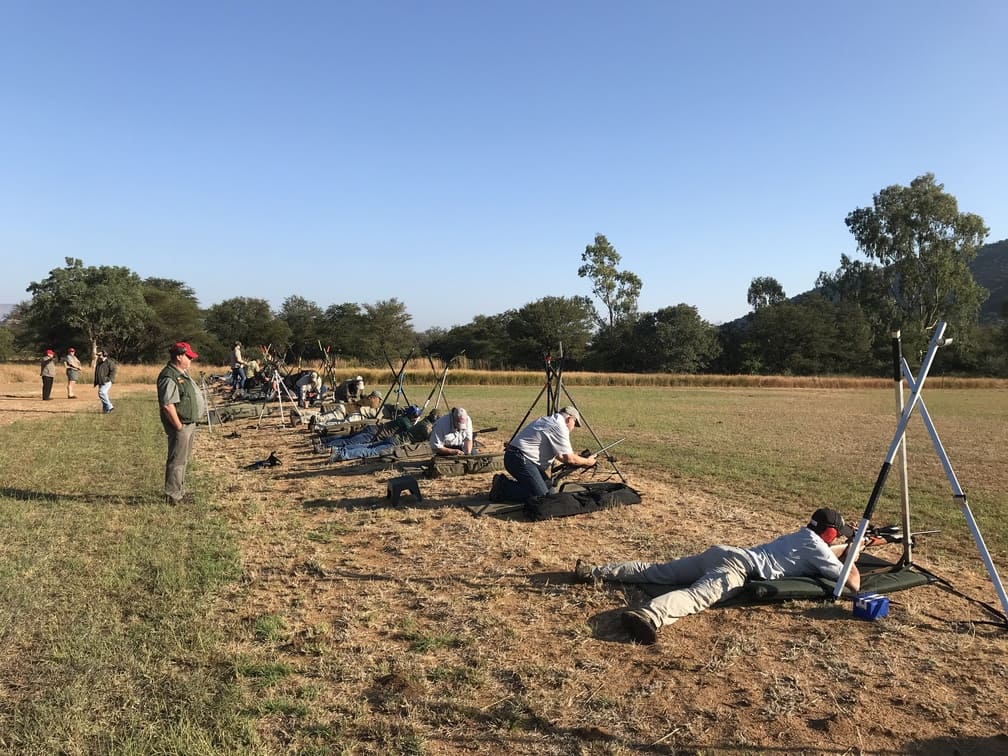
Jacques Boshoff on the shooting range with the CZ 550 .375 H&H topped with the Leupold VX-5HD 1-5×24 telescope.
There can be very few serious riflemen who have not owned, or know someone that owns, a CZ 550-actioned rifle.
The CZ 550 was made in two different configurations: a medium-length action for .30-06-length cartridges (shorter cartridges such as the .308 Winchester was available as well and made use of a spacer in the magazine to minimise feeding problems) and a Magnum-length action for cartridges such as the .375 H&H and .416 Rigby. Before we delve deeper into the 550 action, however, it is perhaps necessary to look at its history.
BRNO ORIGINS
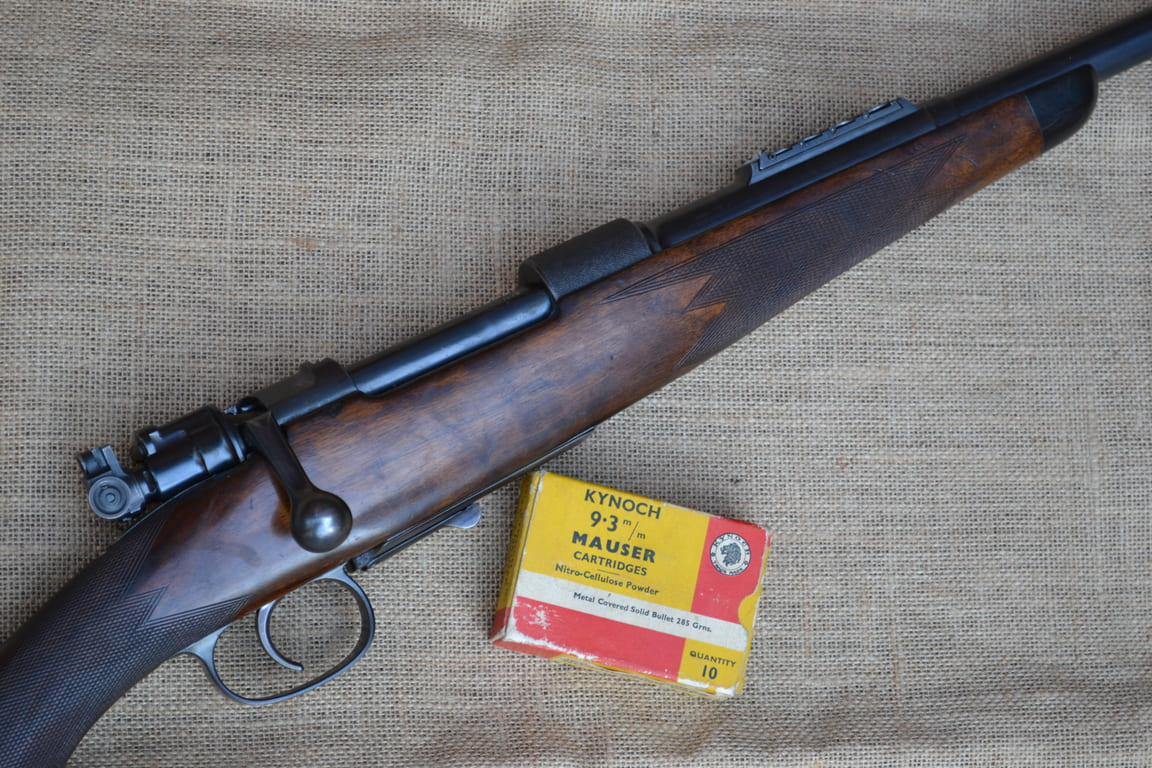
In the mid-1960s, the Czech firm of Zbrojovka Brno introduced the ZKK series of actions. The ZKK was available in three different lengths to suit various cartridges. The shortest was the 600 for cartridges such as the .243 and .308 Winchester, the 601 was a standard-length action for cartridges like the .270 Winchester and 9,3×62, and the 602 was a Magnum-length action for large-bore cartridges such as the .375 H&H.
Brno ZKK-actioned rifles were available for many years in South Africa and, over time, gained an excellent reputation for longevity and reliability. They could be had in just about every popular calibre from .243 to .458.
The finish on many of the Brno rifles sold here tended to be rough, but they were extremely strong, with many of the tried and tested Mauser M98 features such as control-feeding and a broad, non-rotating claw extractor.
As many gunsmiths also found out, they could be made into very attractive custom rifles with some elbow grease, and I have seen some lovely custom rifles made around Brno actions by various gunsmiths.
By 2004, and after the reorganisation and privatisation of the Czech arms industry (largely brought about by the fall of communism in 1989), Zbrojovka Brno went bankrupt. Before this happened, though, the ZKK action was already no more.
Since the ZKK, and especially the 602, was something of an icon here in Africa where it was in high demand by big-game hunters, the ZKK’s demise was much lamented. Just a year or two after the end of ZKK production, however, Ceska Zbrojovka stepped into the breach.

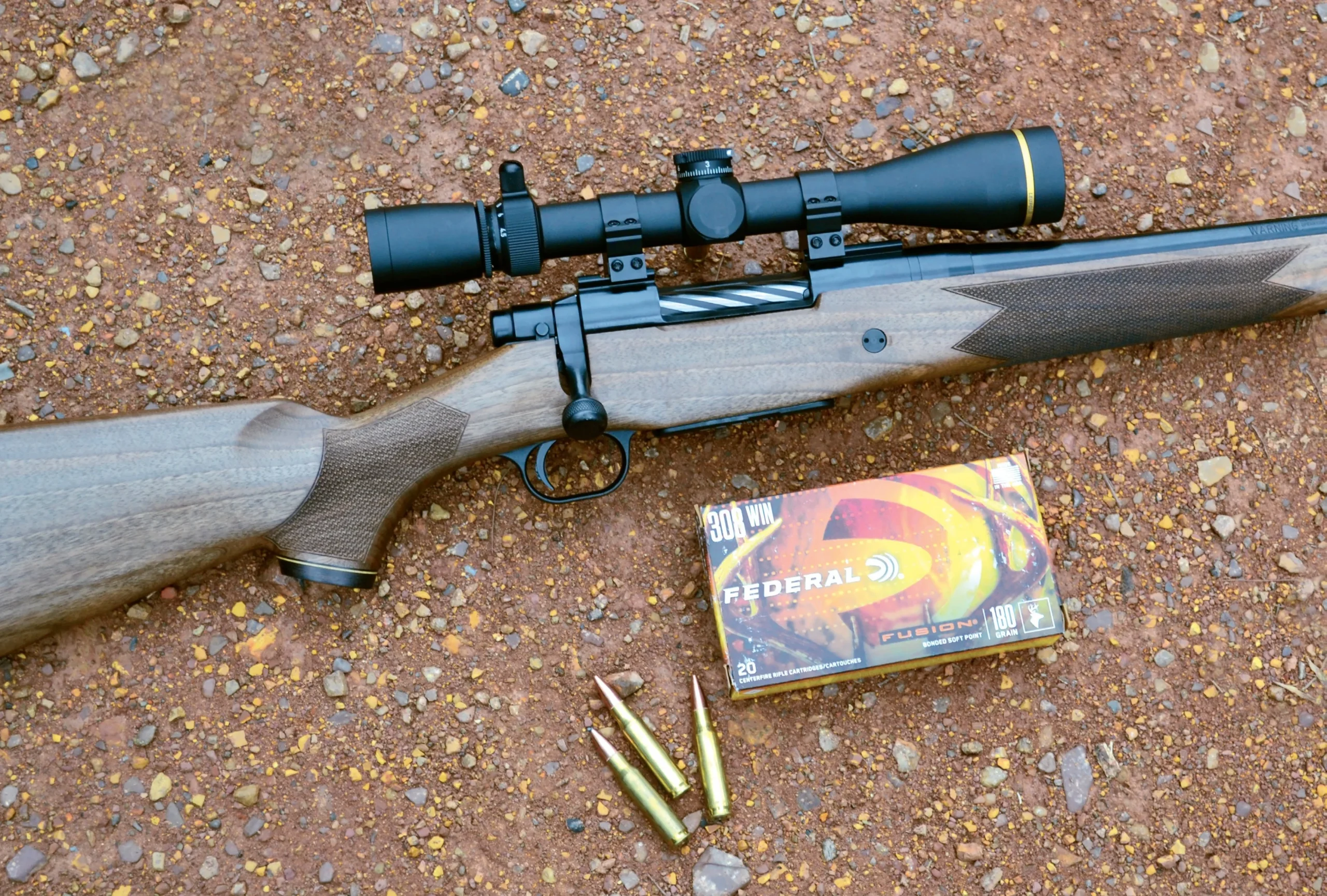
The CZ 550 .375 H&H was tested at Bluegum Valley shooting range, east of Pretoria, with Federal factory ammunition kindly supplied by Formalito, the local agents for both CZ and Federal.
ENTER THE CZ 550
Ceska Zbrojovka (translated into English as “Czech Armsmaker”) introduced the 550 action shortly after the end of the ZKK-series.
Unlike the ZKK, it was available only in two lengths: a standard-length action for cartridges such as the .30-06 and 9,3×62, and a Magnum-length action for heavy-hitting cartridges such as the .375 H&H and bigger.
Since its introduction, the CZ 550 has, like its predecessor, earned a reputation as a working rifle par excellence that can stand the punches with aplomb. Like the ZKK, it uses many of the tried and trusted M98 features such as the non-rotating claw extractor, a fixed ejector, and dual opposing locking lugs.

The CZ 550 action has many of the M98 Mauser’s redeeming features such as the broad claw extractor that serves both to grab a cartridge as it is loaded from the magazine, as well as to ensure that the empty case is extracted afterwards. Also note the cross-bolt through the stock.
The safety catch is a two-position catch that locks the striker. Barrels are rifled by means of the hammer-forging process and the adjustable trigger can be pushed forward for a hair-trigger option – a debatable luxury, especially on a rifle intended for use on large, dangerous game.
Wooden CZ stocks as they came from the factory tended to be made from straight-grained European walnut, chosen more for strength than aesthetics. Checkering was done by machine or laser at about 18 lines per inch.
One often-heard criticism against CZ was the Bavarian-style stocks with rounded combs and Schnabel fore-ends fitted to some rifles, even the heavy kickers.
Bavarian-style stocks are popular in Europe but have yet to find widespread favour in the rest of the world, yet CZ used the style for many years. Bavarian-style CZ heavy calibres earned a well-earned reputation as heavy kickers over the years, but to their credit, CZ started offering rifles with straighter, more classically orientated lines. This, in my humble opinion, was a very good move.
Since its introduction, the CZ 550 has been available in a wide range of models and configurations, ranging from heavy-barrel, varmint rifles right up to rifles chambered for cartridges such as the .500 Jeffery and .505 Gibbs. CZ literally catered for the full spectrum of needs.
THE END OF THE LINE
As with most good things, there comes a time when they cease to exist, and unfortunately, so it is with the CZ 550. In spite of its popularity, factors behind the scenes conspired to bring about the CZ 550’s demise in March 2020.
The main contributing factor was the simple fact that the machinery used by CZ to manufacture the action was nearing the end of its useful lifetime and was not only becoming more and more difficult to maintain but was also impossibly expensive to replace. The sad result was the end of the CZ 550.

By pushing forward on the CZ 550 trigger, the trigger is turned into a hair-trigger with a much lighter let-off.
OUR TEST RIFLE
CZ’s local agents, Formalito in Pretoria, realised full well how popular the CZ 550 was with local hunters who appreciated its ruggedness and dependability, and as a result, they bought up all available stock from the factory, including the hundred or so last CZ 550 big-calibres.
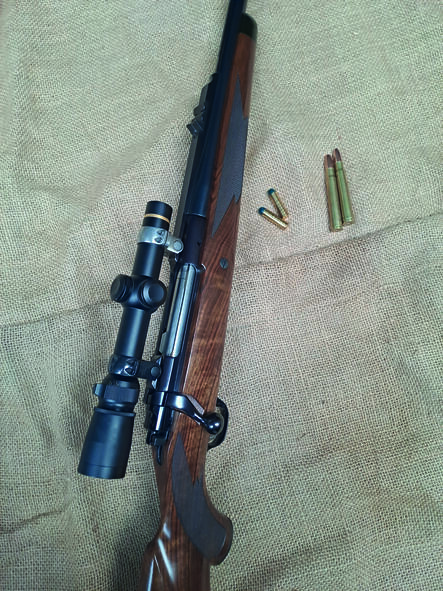
One of these, a model that CZ calls the Safari Magnum and chambered for the venerable .375 H&H Magnum, was recently supplied to SA JAGTER/HUNTER for testing purposes, along with a brand-new Leupold VX-5 scope, as well as Federal factory ammunition.
With the Leupold mounted on the rifle and bore-sighted, I was curious to see how it would shoot, but as with any new rifle, I first checked that the guard screws were tight, and that the scope was securely attached to the two dovetails on top of the action. I was pleased to note twin cross-bolts through the stock for extra strengthening against the pounding of recoil.
Previous CZ models didn’t always have the luxury of these cross-bolts, and they were in most instances a standard aftermarket fit for most CZ owners, along with a proper bedding job.
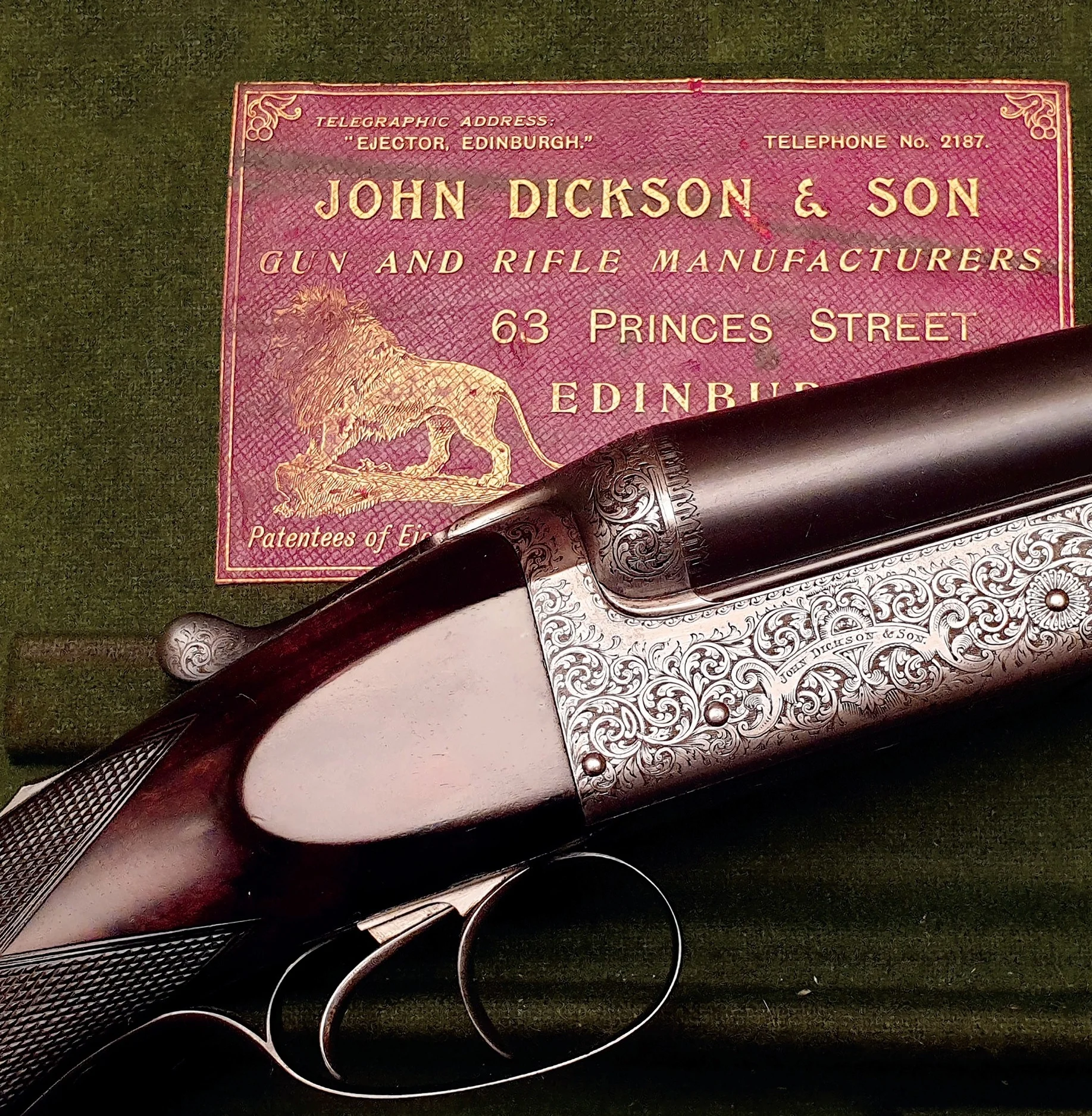
ALSO READ: Gunmaker John Dickson & Son: A legacy of craftsmanship
In the past, there were a few whispers of CZs having feeding problems, but that certainly wasn’t the case with our test rifle. It fed factory Federal cartridges from the magazine with ease, irrespective of whether the bolt was cycled fast or slow. The action was still a bit stiff, but this is common with many Mauser-type actions as they come from the factory. It usually needs some running-in and it is easily fixed by a bit of honest use or an hour of a gunsmith’s time. Magazine capacity is a generous five cartridges.
The open-sight arrangements are the same as those found on CZ large-calibre rifles of an earlier vintage. They consist of a wide-V backsight with one fixed, standing leaf, as well as two folding leafs for 200 and 300 metres respectively.
Given a choice, I would have gone with the standing leaf only as a .375 H&H will almost inevitably be fitted with a scope and the idea of shooting much further than 70 or 80 metres with open, express-type sights is beyond the capabilities of most.

The open iron sights on the CZ 550 test rifle consist of a three-leaf express sight coupled with a prominent bead up front. The earlier Brno 602 rifles made use of a similar arrangement.
The backsight slides into a dovetail machined as part of the barrel, so there is almost no chance of anything falling off here. The front sight is a generous-size bead, protected by a sight-protector. All in all, the open sights were fast to pick up and use.
The stock itself was classic in design with a straight comb and elegant cheekpiece. The fore-end was broad enough to ensure a proper grip under recoil, as was the butt, which was rounded off by a neat, solid black recoil pad.
The checkering looks like it had been applied with a laser, but it was neatly done and provided a good grip on the stock. The stock didn’t have a grip cap or fore-end tip, but is well designed and eminently suitable for a heavy-recoiling rifle, so I will gladly give good marks to CZ in this regard as well.
If I had to voice a criticism, it would be that the forward sling-swivel stud was placed in the fore-end and not mounted on the barrel. Stock-mounted forward sling-swivel studs on hard-recoiling rifles have a tendency to hurt the fingers of the shooter’s hand as it grasps the fore-end under recoil.
However, as a barrel-mounted sling-swivel would have increased production costs considerably, I can live with it, considering the rifle’s suggested retail price of R37 000 or thereabouts.
With an overall weight of over 4 kg, excluding the Leupold scope, the CZ is no lightweight, but a bit of weight is often a good thing for a heavy-kicking rifle. Standard barrel length is 25”.

The safety catch is located to the right of the bolt-shroud. To engage the safety catch, pull it backwards when the rifle is loaded.
ON THE RANGE
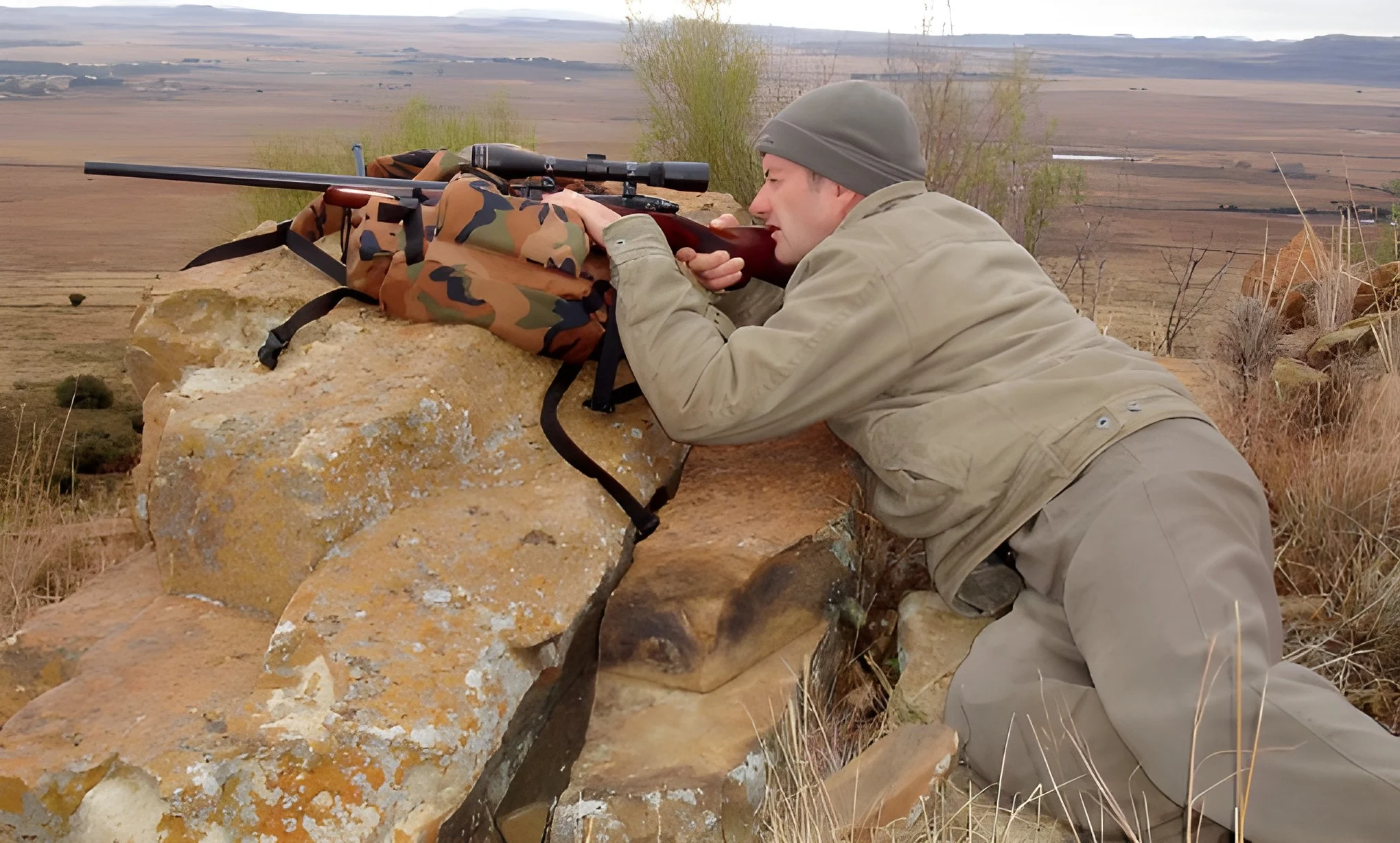
Not surprisingly, the CZ did well on the shooting range. It fed cartridges and ejected empty cases without any hiccups, and the soft recoil pad and sensible stock design made shooting the rifle a pleasure. I managed to get a three-shot group of just over an inch at 100 metres with the 300-grain Federal Fusion factory loads (muzzle velocity for these was just over 2 490 fps, on average), and with a bit more magnification than the 5x of the Leupold mounted on the rifle, even better results shouldn’t be a problem.
The trigger needed a bit of work as the normal let-off was in the region of 4½ lbs with slight creep and just under 2 lbs using the set-trigger function.
The trigger is adjustable so the creep can be removed and the let-off lightened with a few minor adjustments.
In the lawsuit-crazy world we live in it is perhaps understandable that many rifle manufacturers adjust the triggers on new rifles to be heavier than what is needed, but with an adjustable trigger mechanism such as the CZ’s, this minor obstacle is easily circumvented.
IN CLOSING
With the cessation of CZ 550 production, especially the Magnum-length version of the action, an era came to an end. CZ 550s were not only the standard-issue workhorses of many professional hunters and game departments, but they were also the introduction to the world of large-calibre rifles for many hunters and enthusiasts of a younger generation.
In addition, as was the case with the Brno ZKK-series, they could be altered and customised into superb custom rifles that in many instances were hardly recognisable from the original product. In future, it will feel strange to walk into a gunshop and not see at least one of the Czech workhorses for sale on the shelf.
They were almost unbreakable working rifles that stood up very well to the rough and tumble of the bush, and their relatively affordable prices (compared to other makes) made them an attractive proposition to many.
At this stage, it is difficult to predict what will take the CZ 550’s place. I, for one, hope that its successor will be just as rugged and dependable. There will always be a place in Africa for such a rifle.
Visit Formalito on the web: www.gunsandammunition.co.za.
(This article was published in the March-April 2021 edition of SA JAGTER/HUNTER.)